Be yourself; Everyone else is already taken.
— Oscar Wilde.
This is the first post on my new blog. I’m just getting this new blog going, so stay tuned for more. Subscribe below to get notified when I post new updates.
Be yourself; Everyone else is already taken.
— Oscar Wilde.
This is the first post on my new blog. I’m just getting this new blog going, so stay tuned for more. Subscribe below to get notified when I post new updates.
When you first start playing, straight away you’ll discover that pressing the strings against the fret board is hard work, hurts your fingers and makes your wrist ache. The natural way to combat this is by hooking your thumb over the top of the fret board to get leverage, which inadvertently causes you to press the strings more with the flat pad of your finger (where your fingerprint is) rather than the actual fingertip.
 This is sometimes called the “death grip”, because you do end up with a fairly fierce grip on your neck and it restricts the reach of your fingers. The proper technique is to have your thumb on the back of the guitar’s neck. This forces your hand to use the fingertips, which is far better and more accurate when it comes to playing just the notes you want without accidentally muting adjacent strings. The trouble is — it feels kind of weird and difficult at first, and your wrist will lack strength. Stick with it and you’ll appreciate the benefits further down the track. Remember, thumb on the back of the neck.

 Okay, things are hard enough as it is without expecting you to waltz around the room while you’re playing. The important thing is, if you’re going to take this dream all the way, one day you’ll be standing up in front of crowd. Playing with your guitar slung across your shoulder is a very different posture to sitting down.
On a chair, you tend to hunch over and try to see what your hands are doing (another bad habit you want to avoid). Then, when you’re standing up, everything changes. Try it and you’ll see what I mean. You’ll find it much harder to see your left hand, for a start. Make sure you have a good guitar strap, adjust it to a comfortable length (forget slinging it down around your knees — looks cool, but it’s a crap playing position) and regularly practice playing while you’re standing up.
 Don’t ever bother trying to learn how to play fast. Really, don’t do it. Good technique is about accurate fingering and hitting the right notes every time, especially when it comes to scales and playing tricky bar chords. Concentrate on precise fingering. The truth is, learn to play properly and speed will happen all by itself. The biggest obstacle to fast playing is poor technique. Learn good technique and fast fingering will be a chucked-in-for-free bonus. Always take your time and play slowly. Use Uberchord Guitar App, it is a free app that listens to you while you practice the guitar and corrects when you play wrong.
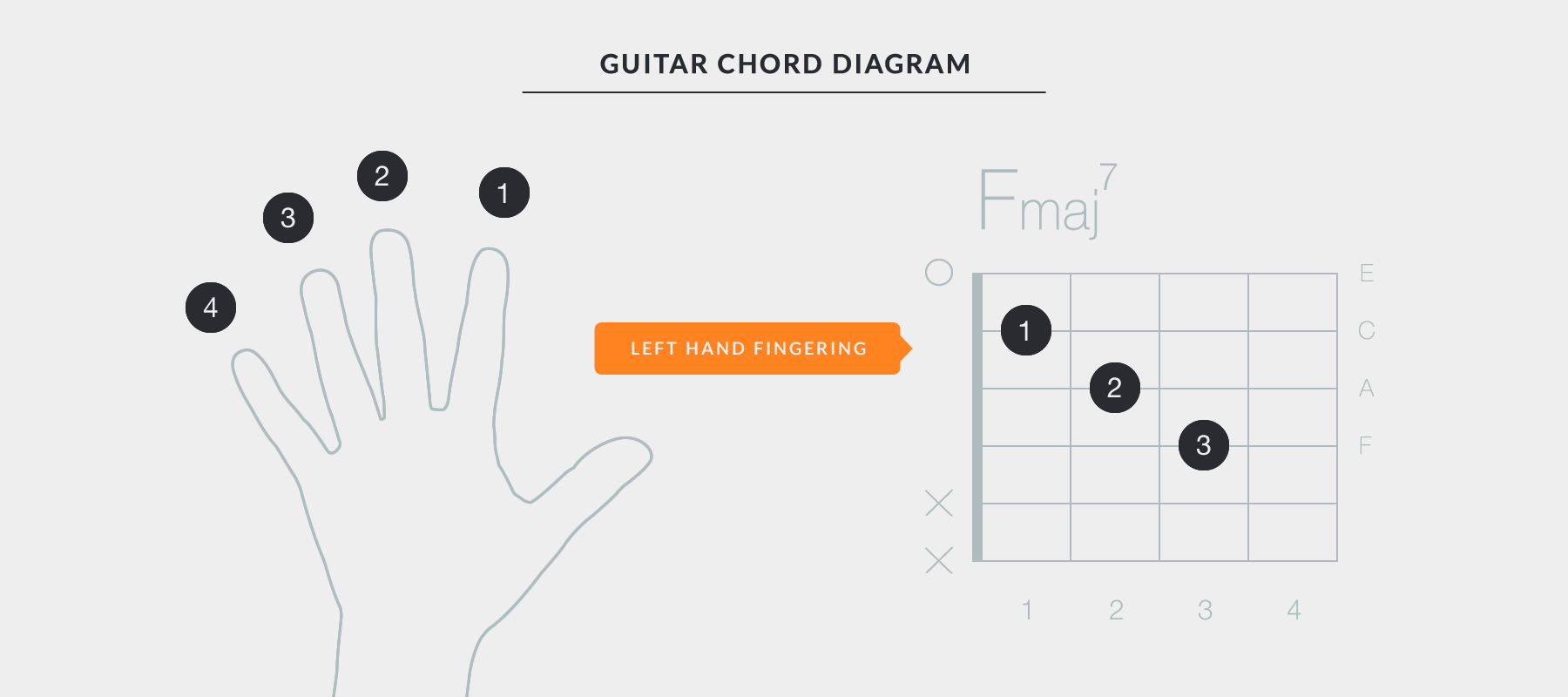
Over the centuries of guitar playing the experts have long figured out the best way to play certain chords and scales, meaning which fingers should be playing certain notes on the fret board.
Occasionally, you might discover an easier way of playing these — you’re a musical genius and never knew it. Don’t be tempted. Correct fingering isn’t just about playing that chord or scale properly. Adding variations is considered too, such as sevenths and ninths, and your custom style of fingering a chord might prove that those variations can’t be played (yep, this is one of the things I learned the hard way). Pay careful attention to the correct fingering of a chord and your hand’s position on the fret board for scales. Uberchord will show you exactly how to do it.
 You want to watch your favourite TV show when you’re supposed to be rehearsing? Don’t panic, a lot can be achieved by holding your guitar and constantly swapping from one chord to another or playing scales without plucking the strings with your right hand. What you’re doing is still training your left hand to play — it’s all solid practice. Good technique is locked-in habits when you’re playing. With your thumb on the back of the neck, remember?
 Playing to a click track is really hard at first, but the advantages later on are immeasurable. Your sense of rhythm and timing will get an early boost, if you try using a metronome soon in your career. However, don’t stress about it too much and make sure you set the beats-per-minute (BPM) to something very slow. The idea is to get used to playing in time and at a steady tempo, but don’t rush this at the expense of learning technique. By the way, you’ll find heaps of metronome apps on the internet. And, here are 5 ways you can use a metronome to improve your guitar playing.
 A few weeks ago in my studio, I was recording a friend called Mary, a singer-guitarist, who would move heaven and earth to avoid playing a B minor chord. She found the fingering too difficult and used capos and all manner of transpositions to dodge the dreaded bar chord. If anything, you should seek out these difficult bits and spend more time and energy on perfecting tricky chords, otherwise, you’ll find them a mental barrier to your playing for the rest of your days.

Nothing beats regularly putting your hands on the guitar and practicing the latest lessons. Even if it’s just for ten minutes on a day when you’re otherwise too busy. Good technique comes from your mind and your fingers remembering how it’s all supposed to work, particularly when it comes to those tricky fingerings. Try to set aside some time every day and develop good playing habits. It’ll also help to build up those calluses on your fingertips.
With the latest version of the Uberchord App you can create your profile and set daily or weekly goals. It tracks your progress and sends you reminders, if you are becoming lazy and losing focus.
 The other side of the equation is not to push yourself too hard in the beginning. When your muscles start to creak and the fingertips are stinging, take a break and relax for a while. You can easily strain something and do damage to tendons and ligaments if you ignore the danger signs that you need a rest.
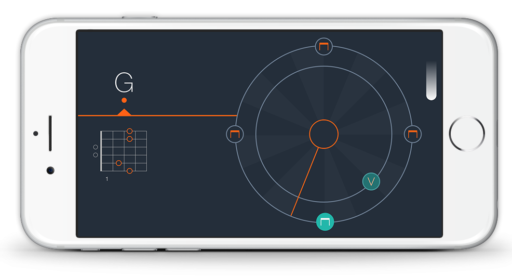 Sometimes it’s good to simply mute the strings with your left hand and practise creating a percussive rhythm with your right-hand strumming. Uberchord app also features a strummer trainer to improve your rhythm and timings.
Alternatively, choose an easy chord (or no chord at all) and focus for a while on any finger-picking and plectrum style that you’re learning. The point is that your right-hand technique is often ignored in the effort to get those fingers on your left hand doing the correct thing. Don’t forget that learning how to play the guitar is a two-handed deal.
There you have it. Like I said earlier, a lot of these tips are obvious and common sense, but many new players still make simple mistakes in their enthusiasm to begin playing exciting stuff. Get the basics right, the proper technique happening from the very beginning when learning how to play the guitar, and you can be a great player rather than just a good one.
This is an example post, originally published as part of Blogging University. Enroll in one of our ten programs, and start your blog right.
You’re going to publish a post today. Don’t worry about how your blog looks. Don’t worry if you haven’t given it a name yet, or you’re feeling overwhelmed. Just click the “New Post” button, and tell us why you’re here.
Why do this?
The post can be short or long, a personal intro to your life or a bloggy mission statement, a manifesto for the future or a simple outline of your the types of things you hope to publish.
To help you get started, here are a few questions:
You’re not locked into any of this; one of the wonderful things about blogs is how they constantly evolve as we learn, grow, and interact with one another — but it’s good to know where and why you started, and articulating your goals may just give you a few other post ideas.
Can’t think how to get started? Just write the first thing that pops into your head. Anne Lamott, author of a book on writing we love, says that you need to give yourself permission to write a “crappy first draft”. Anne makes a great point — just start writing, and worry about editing it later.
When you’re ready to publish, give your post three to five tags that describe your blog’s focus — writing, photography, fiction, parenting, food, cars, movies, sports, whatever. These tags will help others who care about your topics find you in the Reader. Make sure one of the tags is “zerotohero,” so other new bloggers can find you, too.
Have a WordPress.com account? Log in now.

